
Most medication mistakes are not made because people are careless. Medication mistakes are made because routines are complicated. For example, take one pill in the morning, two pills at night, one pill with food, one pill without food, and a “do not take with this” pill that you vaguely recall hearing about when you picked up your medication. Add to that a busy schedule, travel, or a caregiver handoff, and you can quickly see how medication mistakes are made.
That is why pill packaging is more than just a “convenience feature upgrade.” Pill packaging services, such as pharmacy blister packs and other pill packaging options, help to turn a complicated medication routine into a simple system that you can actually follow without second guessing yourself.
For those who are not aware, pill packaging is simply a service whereby your medication is organized into doses by day and time, so you are not juggling multiple bottles or trying to second guess your medication routine. The following are 7 common medication management mistakes that pharmacies can help solve through packaging services such as pill packs pharmacy routines.
Confusing Schedules and Timing Errors with Multiple Prescriptions Packing
If you take more than one medication, timing confusion is one of the biggest issues.What goes wrong
- Morning vs evening meds get mixed up
- A dose gets skipped because you are not sure if you already took it
- Double dosing happens when bottles look similar or routines change
How packaging helps
With Multiple Prescriptions Packing, your medications are aligned into one organized system. Instead of making decisions at every dose, you follow clear labels like “Monday Morning” or “Thursday Bedtime.” Fewer decisions means fewer mistakes.
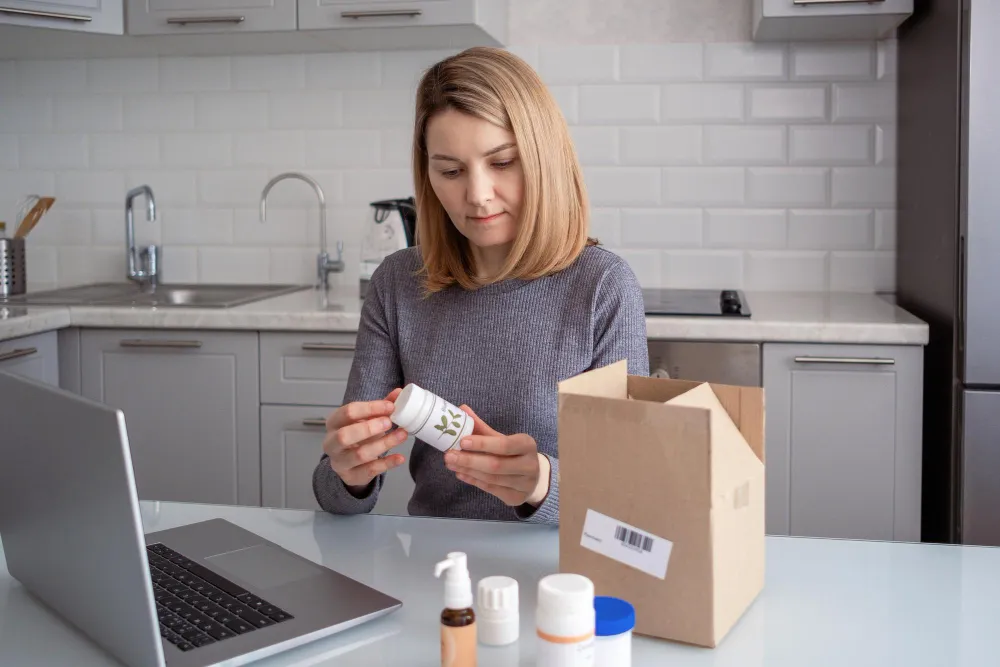
Too Many Bottles and Refill Dates Solved by Pill Packs Pharmacy Routines
Even if you take meds perfectly, refills can still throw everything off.
What goes wrong
1. One medication runs out on Tuesday, another on Friday
2. You make multiple pharmacy trips
3. Gaps happen because you forgot to request a refill in time
How packaging helps
A pill packs pharmacy routine is often paired with coordinated refill cycles, so medications are prepared on a predictable schedule. That means fewer surprise “out of refills” moments and fewer gaps caused by refill timing.
Caregiver Coordination Made Easier with Bi-Weekly Caddies
Caregiving is hard, and medication management is one of the most stressful parts.
What goes wrong
- “Did they take it?” becomes a daily question
- Multiple caregivers create handoff confusion
- Missed doses are harder to spot until symptoms show up
How packaging helps
Bi-Weekly Caddies make dose tracking more visible. When doses are organized for two weeks at a time, it is much easier to confirm what was taken and what is next. It also makes handoffs between family members or home health aides smoother, because everyone is looking at the same system.
Travel Disruptions Reduced with Travel Medications Packing
Travel is one of the fastest ways to break a good medication routine.
What goes wrong
1. Bottles get lost, mixed, or left behind
2. Time zones make timing confusing
3. You forget a medication because it is not in your usual spot
How packaging helps
Travel medications Packing keeps doses pre sorted by day, which makes it easier to pack, carry, and stay consistent. Instead of traveling with a handful of bottles, you bring the doses you need in a clear sequence. It is a simple change that can prevent a lot of “I think I missed something” stress.
Child Safety Improved Through Child Resistant Packing
If there are kids in the home, medication storage becomes a whole different level of concern.
What goes wrong
- Meds get left on counters during busy mornings
- Curious kids can access bottles or loose pills
- Caregivers may underestimate how quickly kids can get into things
How packaging helps
Child Resistant Packing focuses on safety first. Pharmacies can offer packaging formats designed to reduce accidental access and support safer storage habits. It is not a replacement for safe storage, but it is one more layer of protection for homes where child safety is a priority.
Outdated Meds and Duplicates Prevented with Pharmacist Checked Pharmacy Blister Packs
Medicine cabinets can quietly turn into a collection of “old but maybe still useful” bottles.
What goes wrong
1. Old strengths stay in the cabinet after a dose change
2. Duplicate therapies happen when prescriptions overlap
3. Discontinued meds accidentally get taken again
How packaging helps
With pharmacy blister packs, medications are typically reviewed before they are packed. That pharmacist check helps ensure the pack reflects your active medication list, not what is still sitting in the cabinet. For many people, this creates a cleaner, safer routine because it becomes obvious what is current and what is not.
Handling Challenges Solved with Pillow Pack Medications Packing
Sometimes the barrier is not remembering, it is physically managing the packaging.
What goes wrong
- Arthritis or low grip strength makes bottles hard to open
- Small print labels are difficult to read
- Sorting pills into organizers becomes frustrating or impossible
How packaging helps
Pillow Pack medications Packing is designed for easier day to day use. Pouch style packs can be easier to handle, easier to open, and easier to read, especially when doses are clearly labeled by time and date. It is a practical solution for people who want independence without the struggle.
Quick Explainer: What These Packaging Options Mean
Here is a simple, plain language breakdown:
- pharmacy blister packs: sealed doses organized by day and time
- pill packs pharmacy: strip packs or packets organized for daily routines
- Bi-Weekly Caddies: two week organizers for consistent schedules
- Multiple Prescriptions Packing: aligning multiple meds into one organized system
- Child Resistant Packing: safety focused packaging options for homes with kids
- Travel medications Packing: travel friendly organization to reduce missed doses
- Pillow Pack medications Packing: pouch style packs designed for easy use

FAQs
Which medications can be included in packaging, and which cannot?
Many daily maintenance meds can be included, but some medications may not be eligible, such as certain “as needed” meds, temperature sensitive items, or medications with special handling requirements. Your pharmacy can confirm what fits.
How do refills and insurance work with pill packaging?
Refill timing and insurance rules vary. Many pharmacies coordinate refill cycles to keep things consistent, and they can explain what your plan allows.
Can I keep “as needed” meds in bottles?
Yes, often. Many people keep PRN medications in original bottles while using packaging for scheduled daily meds.
What happens if my doctor changes a medication mid cycle?
Pharmacies can usually adjust future packs and guide you on what to do with the current cycle, depending on the change.
Conclusion
Pill packaging is not just about ease. It is about removing friction from your routine so you can be consistent, avoid mistakes, and be more confident at home. Is your medication routine a puzzle every day? You may want to consider asking about packaging options. Whether you have a Multiple Prescriptions Packing, a pill packs pharmacy routine, a Travel medications Packing, or safer options like Child Resistant Packing, a pill packaging system can make medication management simple again.