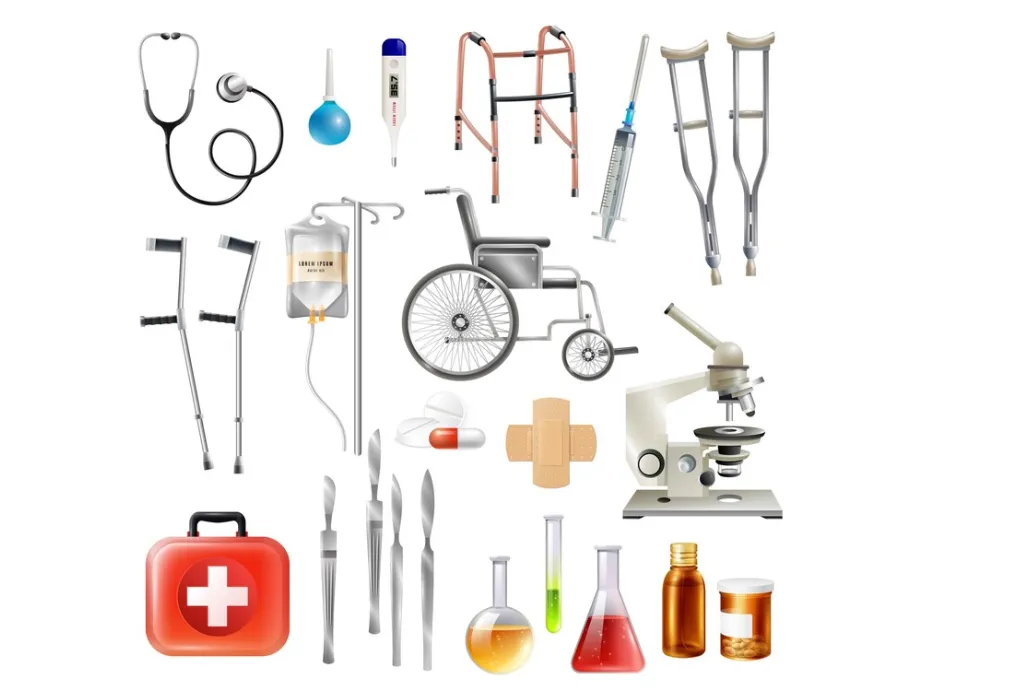
Selection of the appropriate medical supplies and equipment begins with understanding your medical conditions, daily activities, and future healthcare needs. Consider factors such as comfort, insurance coverage, product quality, ease of use, and expert guidance when making your decision. Choosing the right medical supplies and equipment is essential for your health, safety, and long-term independence.
Managing a long-term illness is tough enough without the worry that the devices used for treatment might complicate things even further. If one picks the proper pieces of equipment, the daily routine becomes easier, more reliable, and safer. Therefore, it makes a huge impact in terms of comfort and well-being.
Many people begin their search for the needed items with looking for “medical equipment stores near me”. This phrase comes up if there is some change in health condition, a need for a diagnosis, post-operative rehabilitation, or some other situations where proper medical equipment is required. If you have already searched for “medical equipment stores near me“, you are not the only one.
In this guide, you’ll get 5 practical factors to help you choose medical supplies and equipment confidently, without overbuying, underbuying, or guessing.
Quick Note: Start With Your Condition And Your Daily Routine
Before you compare products, start with the basics: the “best” equipment depends on you.
A smart choice depends on:
- Your illness or condition
- How often you’ll use the equipment (daily, weekly, short-term recovery, long-term)
- Who will use it (patient vs caregiver)
- Your home layout (stairs, bathroom setup, storage space, doorway widths)
Once you’re clear on your real routine, the right product becomes easier to spot. Now let’s walk through the 5 factors.
Which 5 Factors Matter Most When Choosing Medical Supplies and Equipment?
Factor #1: Consider Your Personal Preferences (Fit, Comfort, Brand)
Preferences aren’t “extra.” They’re part of adherence. If equipment feels uncomfortable, awkward, or hard to trust, people often stop using it, even if it’s technically correct.
Examples where preference matters:
- Adjustable crutches or walkers that match your height and weight
- Diabetic testing brands you already know and feel confident using
- Comfort features like better grips, padding, lighter weight, or portability
Mini tips to ask about before you buy:
- Sizing options and adjustability
- Comfort features (handles, padding, seat support)
- Replacement parts (tips, cuffs, batteries, tubing)
The goal is simple: choose something you’ll actually use consistently.
Factor #2: Check Your Medical Insurance Coverage Before You Buy
Medical supplies can get expensive fast, and coverage varies widely. A quick check can save you money and prevent frustration.
What to verify:
- Which items are covered (DME vs OTC supplies)
- List of acceptable brand names or models (if there is any limit in your insurance plan)
- Whether you can rent or buy (particularly for wheelchairs and other specialty devices)
- Medical documentation needed (prescription, prior authorization, and diagnosis code)
One thing to remember: do not compromise on safety and quality for the sake of saving money.
Factor #3: Research Equipment Quality (Don’t Compromise Here)
Quality isn’t just about brand names. It’s about whether the equipment performs reliably in real life.
What “quality” means in practice:
- Durability and stability
- Weight rating that matches the user
- Warranty coverage
- Trusted manufacturing and consistent performance
What to look for when comparing options:
- Clear labeling and instructions
- A strong return or exchange policy
- Availability of parts and accessories (so you’re not stuck replacing the whole unit)
This is where a pharmacy for medical supplies can be a huge help. A good team can steer you away from flimsy options and toward equipment that holds up to daily use.
Factor #4: Look For Ease Of Use (Simple, Cleanable, User-Friendly)
Ease of use is a safety characteristic. When something is difficult to use, people will make errors, leave out steps, or even not use it at all. This adds to caregiver burden and may lessen adherence to the care plan.
User-friendly examples:
- Devices that are easy to clean and store
- Readable displays on monitors (especially for seniors)
- Respiratory supplies with clear setup steps and simple maintenance
Quick checklist questions:
- “Can I use it one-handed?”
- “Can I clean it easily?”
- “Can I understand it without guessing?”
- “Will a caregiver be able to set it up quickly?”
The best equipment fits into your day without turning into a project.
Factor #5: Seek Professional Advice (Don’t Choose Alone)
This is the factor that prevents the most wasted money.
Professional input helps you avoid:
- Buying the wrong size
- Choosing a product that doesn’t match your condition
- Missing key accessories you’ll need immediately
- Using equipment incorrectly (which can reduce benefit or cause injury)
Who to consult:
- Your physician or therapist (medical necessity, sizing guidance, safe use)
- Pharmacists and trained staff (usage education, product selection, safety tips)
A trusted Jacksonville medical supply store can help match the right equipment to your condition and routine, especially when you’re making decisions quickly after a diagnosis or discharge. If you’re picking up supplies from a local provider like Baygreen Pharmacy, ask for a quick walkthrough, it can save you a lot of trial-and-error at home.
Common Medical Supply Categories (Quick Overview)
If you’re not sure what category you even need, here are the most common ones people shop for:
- Mobility aids (canes, walkers, crutches, wheelchairs)
- Diabetes care (meters, strips, lancets)
- Respiratory supplies (nebulizers, masks, tubing)
- Bathroom safety (grab bars, shower chairs)
- Wound care (dressings, gauze, tape)
- Incontinence and skin protection products
Knowing the category helps you narrow your options faster, especially when you’re searching medical equipment stores near me under pressure.
What Should You Check Before Purchasing Medical Equipment?
Use this as your simple “don’t forget” list:
- Is this the right size and fit for me?
- Is it covered by insurance (or are there lower-cost options)?
- What’s the warranty or return policy?
- Are replacement parts available?
- Can someone show me how to use it correctly?
- How do I clean and maintain it?
Even asking just 2–3 of these questions can prevent the most common buying mistakes.

Conclusion: Choose Supplies That Support Your Health, Not Stress You Out
Selecting the correct type of medical supplies need not be a daunting task. Begin with your disease and lifestyle and consider the five criteria of choice which include comfort, insurance coverage, quality, convenience, and professional consultation. If the medical supplies are selected according to your needs, then you will find yourself using them consistently.
If you desire a speedy and safe selection process, selecting the right pharmacy for medical supplies will go a long way.
FAQ
1) Should I Buy or Rent Medical Equipment?
It depends on how long you’ll need it and what your insurance covers. For short-term recovery, renting can be cost-effective. For long-term use, buying may make more sense.
2) What If I’m Not Sure What Size I Need?
Ask for sizing help before you purchase, especially for walkers, crutches, wheelchairs, and bathroom safety equipment. The right fit improves safety and comfort.
3) Can A Pharmacist Help Me Choose Medical Supplies And Equipment?
Yes. Pharmacists and trained staff can often guide product selection, explain how to use items safely, and help you avoid common mistakes, especially when supplies connect to medications or chronic care routines.
Searching “Medical Equipment Stores Near Me”? Don’t Buy Blind
Compare options, check sizing, and ask about replacement parts so your equipment works safely from day one.