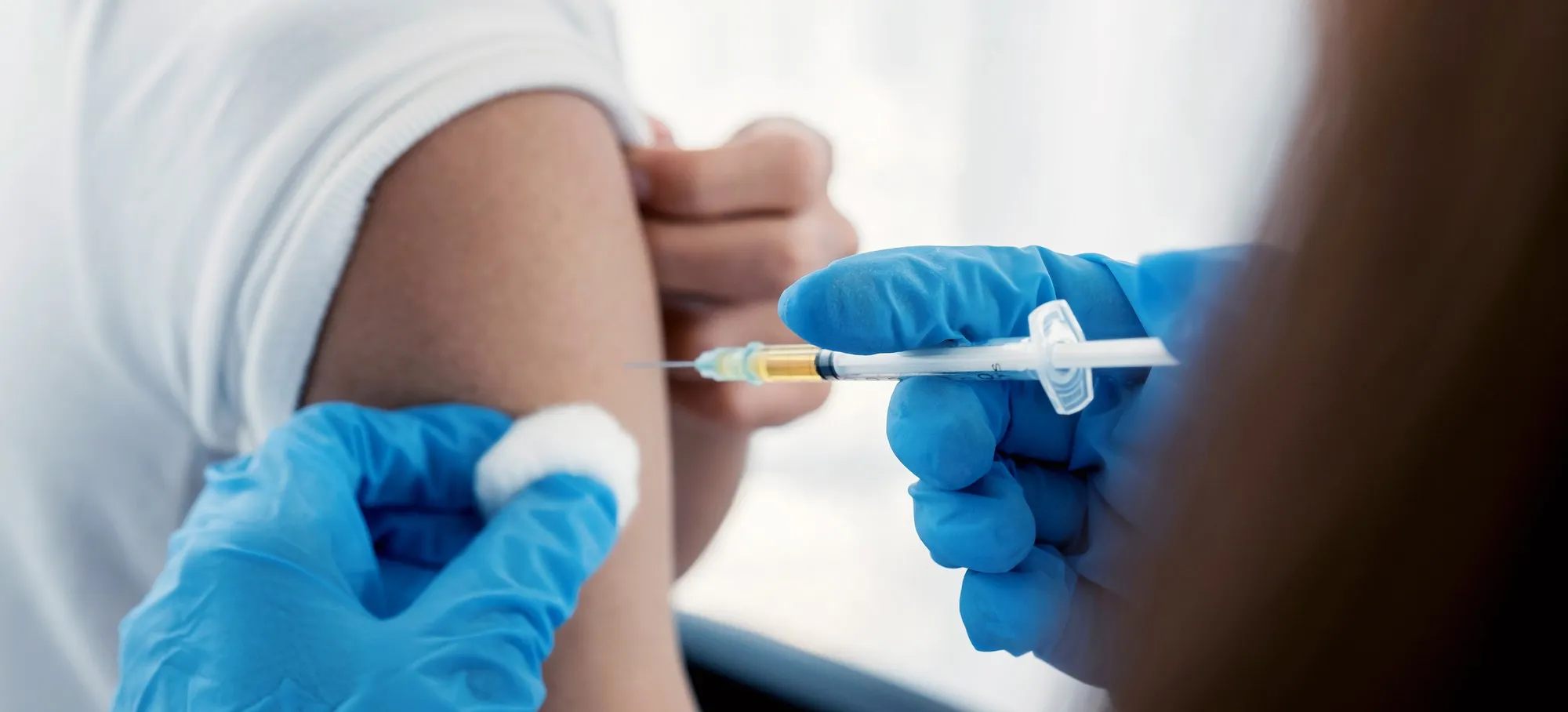
Getting vaccinated is one of the easiest and most effective ways to protect your health. If you’re feeling a little nervous about your appointment, knowing what to expect can make the experience much more comfortable and stress-free.
Whether you’re scheduling Immunization Services for yourself, helping a loved one stay up to date with recommended vaccines, or participating in Immunization At Work, the vaccination process is designed to be safe, efficient, and patient-focused.
From check-in to post-vaccination care, every appointment follows a straightforward process that prioritizes your comfort and well-being. In this guide, we’ll walk you through the four simple steps you can expect during a typical vaccination visit, so you can arrive feeling informed, confident, and prepared.
Here is how the process looks.
Before You Get The Shot: The Quick Check-In That Keeps You Safe
Before any injection happens, you’ll do a brief check-in. It’s not meant to slow things down, it’s there to make sure the vaccine is right for you, right now.
The common things that will be asked about are:
- General health history (illnesses, fever, symptoms)
- Any allergies (to vaccine components, latex, or adhesives)
- Any previous experience with vaccines (fainting, hives, serious swelling, breathing problems)
- Medications taken now or any medical condition (particularly immunologic conditions or treatments)
Why is this important? This helps to make sure the correct vaccine is being administered at the appropriate time and any additional measures may need to be considered.

It is also an opportunity to bring up any concerns that you have, such as fears or prior fainting experiences.
Vaccine Prep: What Happens Behind The Scenes (Safety And Sterility)
A lot happens before you ever see the syringe, and that’s a good thing. Vaccine prep follows strict safety and sterility steps to protect you and maintain vaccine integrity.
Providers focus on basics like:
- Clean hands and a clean prep area
- Aseptic technique (a fancy way of saying “keep everything sterile and uncontaminated”)
- Correct storage and handling so the vaccine stays effective
Vaccines also come in different “presentations,” meaning how they’re packaged:
- Single-dose vials: intended for one person, one dose
- Manufacturer-filled syringes: prefilled and ready to administer
- Multi-dose vials: contain multiple doses and require careful handling rules
Reassurance: these steps aren’t “extra,” they’re the core of safe vaccination. They help prevent contamination and ensure you’re receiving a vaccine that’s been stored and prepared correctly.
Needle, Site, and Route: How Providers Choose the Right Approach
You might hear the word “route.” Route just means how the vaccine is given.
Common routes include:
- Intramuscular (IM): into the muscle
- Subcutaneous: into the fat layer under the skin
- Oral: by mouth (for certain vaccines)
- Intranasal: through the nose (for certain vaccines)
- Intradermal: into the skin (rare method, depending on the type of vaccine)
Importance of proper route and site: influences efficacy of the vaccine and helps to avoid local side effects. To put it simply, it is not accidental; rather, it is selected for efficiency and convenience.
If You’re Getting More Than One Vaccine: What “Coadministration” Looks Like
It’s very normal to receive more than one vaccine in the same visit. Providers call this “coadministration,” and it’s often done to save time and reduce missed vaccines.
To keep it organized and safe, providers typically:
- Label each syringe clearly
- Use the appropriate spacing or different sites when giving multiple injections
- Document what you received and where it was given
Helpful framing: one visit can save you a second appointment, which means you’re more likely to stay up to date.
Pain And Anxiety: What You Can Do To Feel More Comfortable
Fear is common, for kids and adults. If you’re nervous, you’re not “being dramatic.” You’re human.
Simple strategies that help:
- Relax your arm (tension can make it feel worse)
- Use steady breathing (slow inhale, slow exhale)
- Look away if that helps
- Ask your questions before the shot so you feel in control
- Tell the provider if you’ve fainted before, they can adjust positioning and observation
Many clinics also use evidence-based approaches to reduce distress, especially for people with needle anxiety. You don’t have to “push through” silently.
What To Expect Specifically For The Shingles Vaccine for Adults Over 50
The Shingles Vaccine for Adults Over 50 is a common appointment, and it’s a smart one to plan for. In general, it’s recommended for adults 50+ (and sometimes for younger adults with certain risks, based on clinician guidance).
What the appointment usually feels like:
- A shot in the upper arm
- The injection itself is quick
Common short-term effects can include:
- Sore arm
- Fatigue
- Mild flu-like feelings for a day or two
A practical tip: if you’re worried about feeling run-down, don’t schedule it right before a major event, travel day, or a packed work schedule. Give yourself a little buffer if you can.
Immunization At Work: How On-Site Vaccination Appointments Usually Run
Workplace vaccination clinics are designed for smooth flow and high participation. The goal is to make it easy for people who would otherwise delay care.
Employers typically coordinate:
- Scheduling windows (so it doesn’t interrupt the whole day)
- Consent forms and basic screening questions
- A space setup that supports privacy and a calm process
- A simple check-in and documentation workflow
Why it works:
- Higher participation because it’s convenient
- Less time away from work
- Easier access for people who procrastinate healthcare
Whether it’s flu season or a targeted clinic day, Immunization At Work makes prevention feel more doable.
Questions To Ask During Your Appointment (Quick Checklist)
If you’re not sure what to ask, here are a few that cover the most important points:
- “What side effects are normal vs not normal?”
- “When should I call a healthcare provider?”
- “Do I need a follow-up dose or booster?”
- “Can I get other vaccines at the same visit?”
- “What should I do if I previously had a reaction?”
If you’re getting vaccinated at a local pharmacy clinic like Baygreen Pharmacy, these questions help you leave with clarity, not just a bandage.

FAQ
1) How Long Does an Immunization Appointment Take?
Most visits are quick. The check-in and screening are usually brief, the injection takes seconds, and you may be asked to wait a short time afterward for observation.
2) What Side Effects Are Normal After A Vaccine?
A sore arm, mild fatigue, or low-grade flu-like feelings can happen depending on the vaccine. Ask your provider what’s expected for the specific vaccine you’re receiving.
3) Can I Get Multiple Vaccines in One Visit?
Often, yes. Providers can safely give more than one vaccine in the same appointment, using clear labeling and appropriate spacing or different injection sites.
Conclusion
Immunization visits revolve around proper preparation, proper administration, and making sure that patients feel comfortable. After learning about the process, the experience is no longer mysterious but rather organized and quick, just the way that it ought to be.
Nervous About Vaccines? Let’s Make It Simple
Book your Immunization Services with a safety-first team that walks you through every step, so you feel informed, comfortable, and in control.