This guide explains how generic drugs undergo FDA approval through bioequivalence testing, ANDA review, labeling evaluation, and ongoing safety monitoring to ensure quality, safety, and effectiveness at a lower cost.
Generics are cheaper, but they’re not “less tested.” A lot of people assume a lower price automatically means lower quality, and honestly, that’s a reasonable concern, especially when it comes to your health. The good news is that FDA approval exists specifically to protect safety and effectiveness, regardless of whether a medication is brand-name or generic.
In plain terms, generic drugs are made after a brand drug’s exclusivity ends, but they still have to meet strict FDA standards before they can be sold. That’s why generics are widely used across the U.S. healthcare system; they’re designed to deliver the same clinical benefit at a lower cost.
In this guide, we’ll walk through the approval process step-by-step in simple language, so you know what’s happening behind the scenes. We’ll also cover what to know before buying from a Generic drug pharmacy or signing up for a Generic drug plan. And if you’re comparing options at a Drug Store Jacksonville residents trust, you’ll be better equipped to ask the right questions.
What Does the FDA Look for in a Generic Drug?
For a generic to be approved, the FDA ensures that there is a match in terms of those characteristics which are relevant to the drug’s safe and effective use.
These characteristics include:
- The same active ingredient(s)
- The same strength (e.g., 10mg, 20mg)
- The same dosage form (tablets, capsules, liquids, etc.)
- The same route of administration (oral, topical, injection, etc.)
- The same intended use
- The same quality and manufacturing standards
So while the pill may look different (we’ll cover that in the FAQs), the FDA’s goal is to ensure it performs the same way in the body and meets strict quality expectations.
Now let’s break down how the approval process works.
Step-By-Step: How Generic Drugs Get Approved
Step 1: Bioequivalence Testing (Proving It Works the Same Way)
Bioequivalence is probably the most crucial concept in generic approval, yet it sounds more complex than it really is.
Bioequivalence just means that the generic provides the drug into the blood stream at a similar rate and concentration to the brand-name.
What must match includes:
- Active ingredient
- Strength
- Dosage form
- How it’s taken (route of administration)
Why it matters: if the medicine reaches your bloodstream in a similar way, patients can expect the same therapeutic effect for the same condition, when taken as directed.
Step 2: ANDA Submission (Abbreviated New Drug Application)
To get FDA approval, the manufacturer submits an ANDA, which stands for Abbreviated New Drug Application.
What the ANDA does:
- Shows the generic matches the reference (brand) drug
- Provides data comparing the generic to the brand
- Demonstrates manufacturing quality and controls
Why it’s called “abbreviated”:
The generic manufacturer doesn’t have to repeat the full, original clinical trials that proved the brand drug’s safety and effectiveness. Instead, the ANDA relies on the brand drug’s established safety/efficacy, while still requiring proof that the generic is equivalent and made to high-quality standards.
In other words, the FDA isn’t “skipping safety,” it’s avoiding unnecessary duplication while still requiring strong evidence that the generic performs the same.
Step 3: Labeling Evaluation (Same Key Information For Safe Use)
Afterward, the FDA assesses the labeling of the generic drug to see whether it is comparable with the labeling of the branded one in terms of key safety instructions.
In order to determine the consistency of the generic drug labeling, the FDA examines the following:
- Indications (treatment)
- Dosage directions
- Precautions
- Directions for usage
Why this is important: Consistency of patient instructions prevents any misunderstanding and medication errors among individuals who take several medications at once.
Step 4: Post-Marketing Surveillance (Ongoing Safety Monitoring)
Approval isn’t the end of the story. After a generic drug is on the market, the FDA continues to monitor safety through post-marketing surveillance.
This includes:
- Adverse event reports from patients and healthcare professionals
- Quality issues or unexpected side effects
- Ongoing oversight of manufacturing standards
If issues are found, the FDA can respond with:
- Labeling updates
- Additional warnings
- In rare cases, removal from the market
This ongoing monitoring is one reason patients can feel confident that safety is continuously evaluated, not just checked once and forgotten.
What This Means For Patients (Why You Can Trust Generics)
Here’s the big takeaway: generic drugs are held to strict standards for:
- Safety
- Effectiveness
- Quality manufacturing
The real-world benefit is simple and meaningful: lower-cost options without compromising care.
If you’re trying to reduce monthly medication costs, a trusted Drug Store Jacksonville location can help you understand which generic options are available, what they cost, and whether a savings program or Generic drug plan could make your prescriptions more affordable.
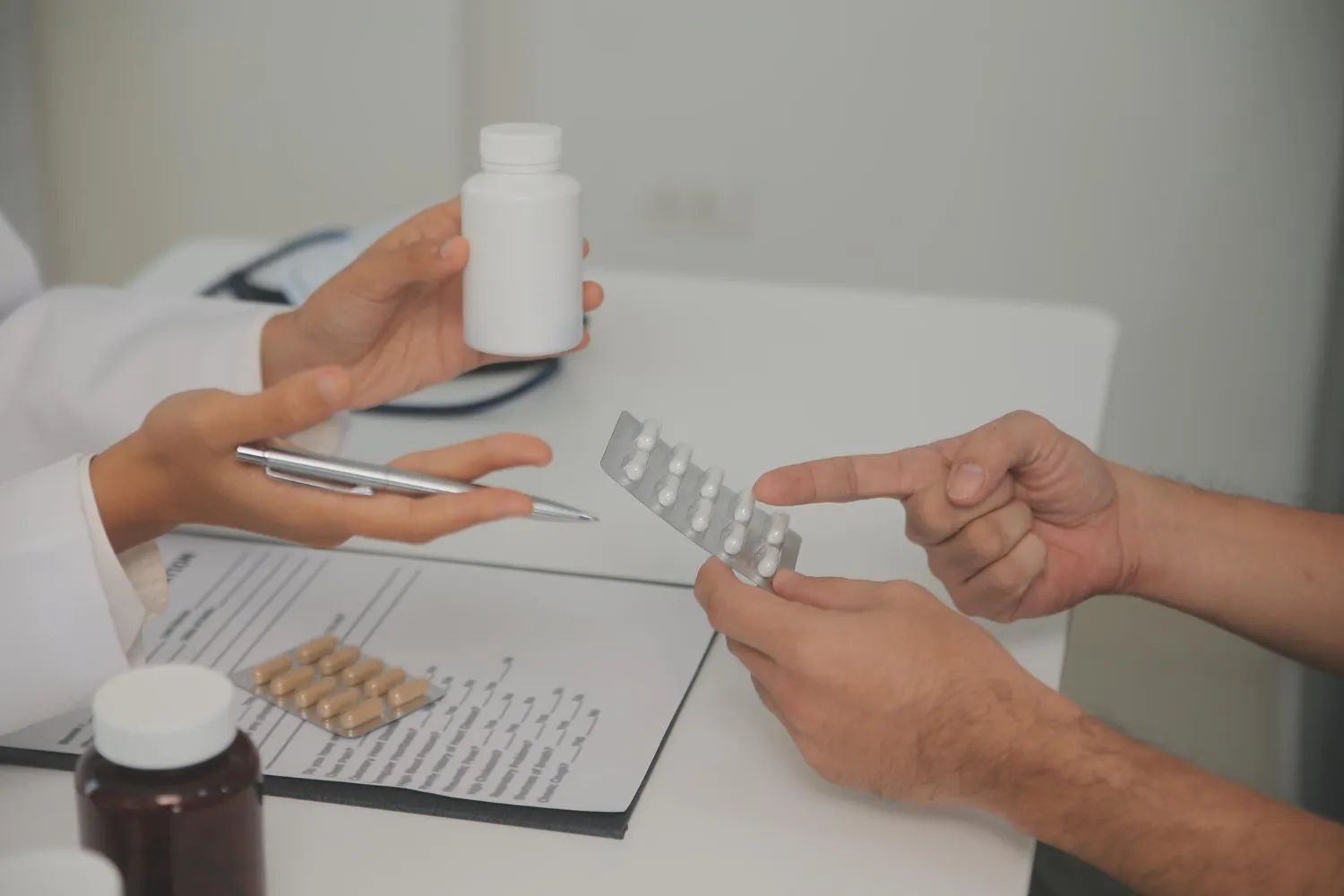
Conclusion: Lower Cost Doesn’t Mean Lower Standards
Generic drugs go through a clear, structured FDA process:
Bioequivalence testing → ANDA review → labeling checks → post-market monitoring.
So while generics cost less, that doesn’t mean they’re “less safe” or “less effective.” It usually means the brand’s exclusivity period has ended and competition can lower prices.
If you’re unsure whether a generic is right for you, ask your pharmacist about your options, possible savings, and whether your prescriptions fit a Generic drug plan.
FAQ
Are Generic Drugs As Effective As Brand-Name Drugs?
Yes. FDA-approved generics must meet strict standards and show bioequivalence, meaning they work in the body in a similar way to the brand-name drug.
Why Do Generics Look Different (Shape/Color) Than Brand Drugs?
Generic manufacturers may use different inactive ingredients, and tablets can vary in shape or color due to branding and patent rules. The active ingredient and how the medication works should remain equivalent.
Can I Request A Generic Version At The Pharmacy?
Want to Save on Prescriptions Without Guessing on Quality?
Ask a Generic drug pharmacy to walk you through FDA-approved options and help you switch with confidence, not doubt.