
The aging process affects the immune system, and even when one feels very well and physically fit, their immune response becomes less responsive to potential threats. The result of that is that some ailments may affect elderly individuals more and for a prolonged period of time. That is why vaccination is especially important as it helps increase the level of protection before any infections or complications occur. We will be talking about the role of vaccinations for the enhancement of one’s well-being, complications prevention, community protection, and improving quality of life. Moreover, it is always helpful to have access to a reliable jacksonville pharmacy to make sure all the needed information concerning the required types of vaccinations is available. If you want to make sure you follow all the necessary precautions in terms of your immunity, it would be helpful to visit a jacksonville pharmacy.
1) Why Older Adults Face Higher Risk From Vaccine-Preventable Diseases
With old age, the body’s immunity system becomes slow. This implies that it becomes easy for infections to occur as well as complications arising from other underlying conditions.
The respiratory illnesses become problematic for older people because they affect breathing, energy, and stability. The core theme here is simple: prevention beats recovery. It’s far easier to prevent a serious illness than to bounce back from one.
2) Protects Against Serious Diseases And Boosts Immunity
Vaccinations act through training of the body’s immune system. Basically, the process helps you identify an invader early enough so that you can respond before any severe effects occur.
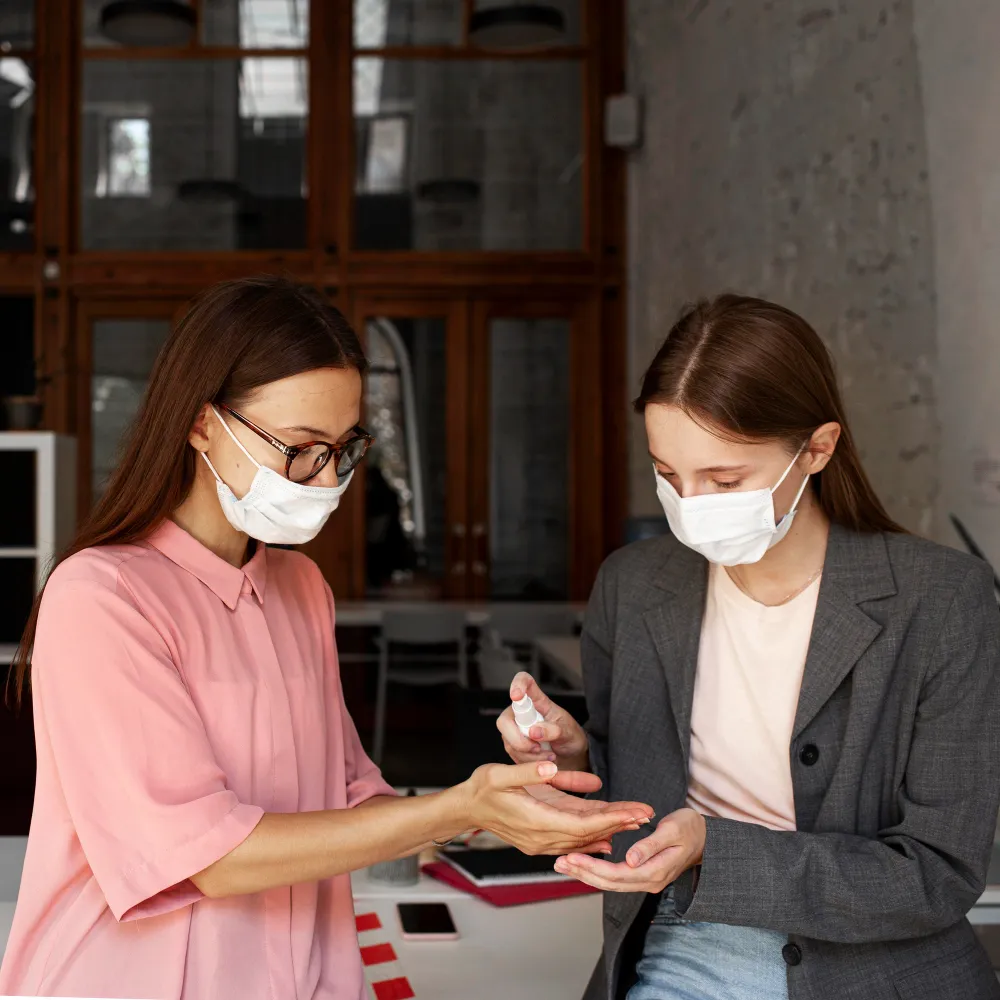
The high-risk illnesses among the elderly population include:
- Influenza (flu)
- Pneumonia/pneumococcal disease
- shingles
- RSV (respiratory syncytial virus) according to age and risk factors.
This gives you more independence as fewer complications lead to fewer disruptions.
3) Prevents Complications (And Reduces Hospitalization Risk)
The risk of developing complications becomes greater with age due to decreased immunity, as well as pre-existing medical conditions that complicate recovery from illness.
For instance, an ordinary case of influenza may develop into serious complications requiring emergency treatment in older patients with heart and lung diseases. Getting vaccinated can serve as prevention for the chain reaction effect, whereby one illness leads to another.
4) Protecting Against Respiratory Infections (The Biggest Threat Category)
One of the most frequent reasons for bad prognoses is respiratory infections. Influenza, pneumonia, and even RSV infections can bring serious complications to one’s health, make the recovery period last long, and raise the risk of hospitalization. Being aware of all these facts and consulting a reliable Jacksonville pharmacy will help you stay healthy.
Keeping up-to-date on this topic can help:
- Lower risk of severe disease
- Lower risk of hospital stays
- Better ability to recover if illness happens
Even when vaccines don’t prevent every infection, they can still reduce severity, which is often the difference between “a rough week at home” and “a serious medical event.”
5) Community Protection Through Herd Immunity
Community immunity (often called herd immunity) is the idea that when more people are protected, illnesses have fewer chances to spread. That helps protect people who can’t get vaccinated or who have weakened immune systems.
This matters for seniors because it’s not just about personal health, it’s also about the people around you:
- Grandkids
- Caregivers
- Friends at community centers or faith groups
- Neighbors and other older adults
Vaccination helps reduce spread, and that’s a meaningful way to protect your circle.
6) Prevents Outbreaks of Vaccine-Preventable Diseases
A high vaccination rate will help prevent outbreaks in the community, particularly in senior facilities, group activities, and healthcare settings where there is greater interaction between individuals.
Some basic practices should be combined with vaccinations, especially during peak times:
- Hand washing
- Sanitizing frequently touched areas
- Coughing/ sneezing etiquette
- Stay away from others when sick
Although these do not take the place of vaccines, they can improve the effectiveness of prevention methods.
7) Improves Quality of Life and Helps Maintain Independence
One of the most overlooked benefits of vaccination is quality of life. Illness can lead to long recovery periods, reduced mobility, and setbacks that take time to rebuild.
Staying protected supports:
- More consistent energy and routine
- Fewer disruptions to social life and activity
- Better ability to stay active physically, which supports mental well-being too
For many older adults, vaccination is a “stay independent longer” strategy, not just a seasonal task.
8) Cost-Effective Healthcare for Seniors and Families
The cost of staying healthy is always lower than the cost of dealing with any possible complications. One preventable trip to the hospital could result in high costs and a lot of anxiety.
Vaccinations will contribute to lowering the cost of:
- Trips to the hospital
- Pills required because of complications
- Time missed by those taking care of you
This way, you’ll save your health as well as some money.
9) Practical Next Steps: How to Stay Up to Date
What you should do next is have a simple chat with a medical professional on what vaccines should be taken based on your age and health status.
Do the following:
- Ask about what vaccines are required at your age and health status
- Check the time (whether annual, one-off, or booster shots)
- Note it down and set up alarms
Jacksonville tip: Go to a nearby jacksonville pharmacy to discuss vaccines. This is one of the simplest ways to get yourself vaccinated without waiting in line for several weeks.
FAQ
1) What are the most crucial vaccines for seniors?
Seniors should ensure that they are up-to-date regarding their flu shots, pneumonia vaccines, shingles vaccine, as well as sometimes even RSV vaccination. It is best to consult your healthcare provider to find out what you need.
2) Can I receive vaccinations if I have underlying health issues?
Very often you can, and in many cases, you really need them. Consult your physician or pharmacist for confirmation.
3) How will I remember to take care of my vaccines/boosters?
Maintain a written log or an app that can remind you of your appointments for annual vaccines, such as flu shots.
Final Words
Getting vaccinated is another way to ensure that aging people stay healthy and active during their aging process. Given the fact that people become weaker when they grow old and become prone to different illnesses, vaccinations become extremely important.
Apart from the advantages that can be received personally by people who receive vaccinations, the most significant advantage is that these people will help not only themselves but also their relatives, nurses, family members to avoid getting infected with the diseases that they will get vaccinated from. Vaccinations will help avoid not only infections and serious diseases but also the disruptions associated with these illnesses. If you are searching for a great way to preserve your independence, vaccination is one of the best ways to go about doing that—especially with help and advice from a reputable Jacksonville pharmacy.
Stay Protected This Season, Without the Guesswork
Ask a Jacksonville pharmacy to review which vaccines you need, when to get them, and how to stay on schedule year after year.