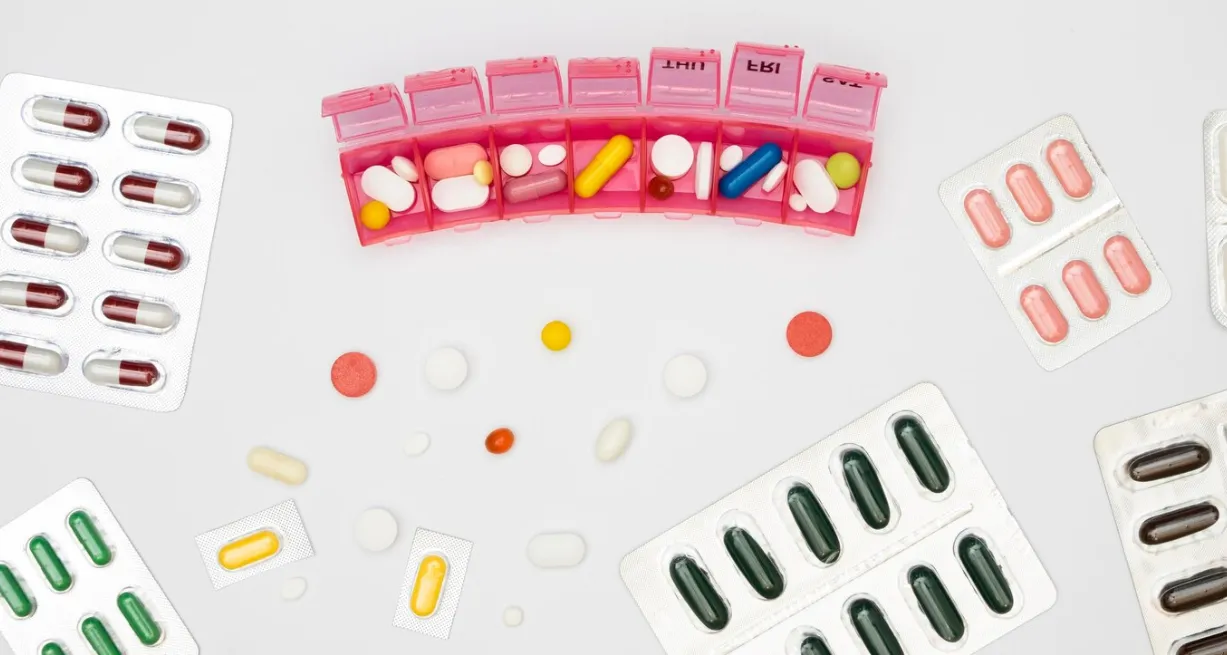
Special Packaging plays a vital role in pharmaceutical safety by protecting medications and medical products from moisture, light, oxygen, contamination, and tampering. This blog will explain how specialized packaging helps maintain product stability, sterility, and effectiveness while ensuring safer outcomes for patients and healthcare providers.
Packaging is not merely “the box.” Packaging is an integral part of drug safety in the pharmaceutical field. Failure of packaging leads to loss of potency, degradation of products, and increased hazard before the expiration date. For this reason, the whole packaging industry considers packaging as a protective mechanism, rather than an aesthetic component.
To put it simply, the term Special Packaging refers to materials and methods of product packaging which ensure the safety, stability, and integrity of products from production till the point where the consumer receives his goods. Special packaging ensures the control of such factors as exposure to moisture and oxygen, prevention of contamination, tampering, and maintenance of sterility, when necessary.
Below you will find a brief introduction to the importance of Special Packaging from the perspectives of protection, moisture control, tampering protection, sterility, and medical devices’ safety, accompanied by an easy-to-use checklist.
Protection Against Degradation and Contamination
Think of pharmaceutical packaging as a barrier between a sensitive product and the outside world. Many medications are vulnerable to environmental exposure and physical handling.
Packaging helps protect against:
- Light (which can degrade certain compounds)
- Air/oxygen (which can cause oxidation)
- Moisture (which can trigger breakdown or clumping)
- Microbes and dust (contamination risk)
- Handling damage (crushing, breakage, deformation)
Common formats that support this protection include:
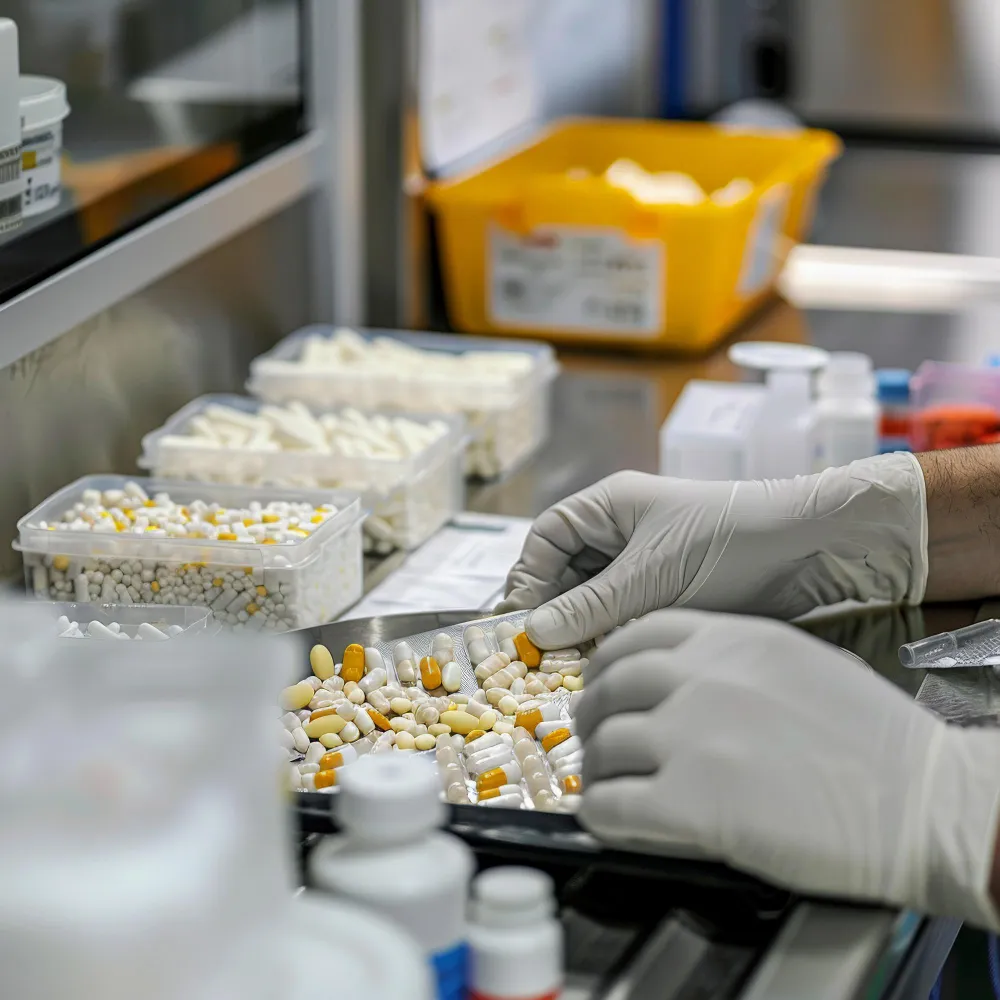
- Blister packs (individual dose protection and reduced exposure)
- Vials (used mostly for injectable drugs)
- Bottles (capped so that there is limited exposure to air and moisture)
It is a straightforward yet important consequence of packaging – the medicine remains what it was supposed to be in terms of its form, concentration, and efficacy.
Moisture Barrier for Moisture-Sensitive Medicines
Moisture is one of the biggest threats to medication stability. Even small amounts of humidity exposure can change how a medication behaves.
Why moisture is a major risk:
- Faster degradation (reduced potency over time)
- Clumping or crumbling (especially for tablets and powders)
- Altered solubility (which can affect absorption)
- Reduced stability (shorter effective shelf life)
Packaging solutions designed for moisture control include:
- Foil blisters (excellent barrier protection)
- Moisture-resistant containers and closures
- Barrier materials that limit humidity transfer
This is one of the reasons that makes most people prefer pharmacies that properly package drugs. It assures safety and reliability while eliminating the doubt “is it okay to keep the drugs like this” in the minds of people who tend to store drugs at home.
Protecting the Integrity of Over-The-Counter (OTC) Drugs
OTC products are handled more widely than prescription medications. They’re on open shelves, picked up and put back, transported in carts, and stored in home bathrooms where humidity is high. That makes strong packaging even more important.
Secure OTC packaging helps prevent:
- Oxygen exposure (oxidation that can reduce effectiveness)
- Moisture ingress (especially in humid environments)
- Pre-use tampering (a major consumer safety concern)
The benefit is consumer trust. People want to know the product hasn’t been compromised and will work as expected. Strong packaging supports safety and consistent efficacy, which is exactly what OTC buyers are paying for.
Maintaining Sterility of Dental Products
Dental products often have a higher contamination risk because they may be used in procedures that involve direct contact with tissue, blood, or sensitive oral environments.
Examples include:
- Implants
- Orthodontic devices
- Dental tools and procedure components
Sterile packaging basics usually include:
- Plastic, film, or laminate that is of medical grade
- A hermetic seal to prevent microbe intrusion
- Sterile packaging, which maintains its sterility during storage and transport
It’s also important to remember that tamper-evident seals play an essential role in this context. These seals provide clear evidence of whether a product has been tampered with or not.
Result: lowered infection risk.
Protecting Medical Devices From Factory To End User
Pharmaceutical and medical packaging often extends beyond pills. Many medical devices require packaging that protects both function and sterility from manufacturing through shipping and clinical preparation.
Packaging protects devices during:
- Storage
- Shipping
- Handling
- Clinical setup and preparation
Examples:
- Surgical instruments sealed in sterilized pouches or containers to maintain sterility
- Implantables (like pacemakers or stents) protected from shock, vibration, and environmental exposure
The outcome is reliability. Devices arrive functional, sterile when required, and ready for safe use, without hidden damage or contamination.
If you’ve ever picked up medications or medical products from a trusted pharmacy like Baygreen Pharmacy, you’ve seen how much confidence good packaging can create; it’s a quiet part of safety that most people only notice when it’s missing.
What Should Special Packaging Achieve?
Here’s a simple checklist that captures what “special” should mean in practice:
- Barrier protection: moisture, oxygen, and light control
- Physical protection: crush resistance, shock protection, breakage prevention
- Sterility maintenance: when required for the product category
- Tamper-evidence: clear signs if the package has been opened or compromised
- Clear labeling and safe handling support: instructions, storage guidance, warnings (when applicable)
When packaging hits these points, it supports both product performance and patient safety.
Final Words: Better Packaging = Safer Outcomes
Special Packaging is needed in the realm of pharmaceuticals as it provides a safeguard from any deterioration, contamination, dampness, tampering, and sterilization. It ensures that the products maintain stability, efficacy, and security, while also ensuring that the patients feel secure about their medicines. In an environment where any minor mistake could result in serious medical implications, packaging is not just a detail but is care.
FAQ
1) If the Medicine Is High-Quality, Does It Really Matter Whether It Is Packaged Well?
Yes, since even high-quality medicine can be damaged if it gets wet, reacts to oxygen, or is exposed to light. Therefore, good packaging will ensure that you get the quality you have paid for.
2) How Are Normal and Special Packagings Different?
While normal packaging usually only aims at containing and promoting the product, special packaging focuses on preserving it and keeping it safe from damage.
3) Why Are Some Medications Packaged in Blister Packs Rather Than Bottles?
Because it allows protecting individual doses, avoiding exposure to air and moisture, and sometimes helps with dose tracking.
Want Safer Meds? Don’t Ignore the Packaging
If you’re searching adult immunizations near me, check local pharmacy vaccinations options for fast, convenient protection.