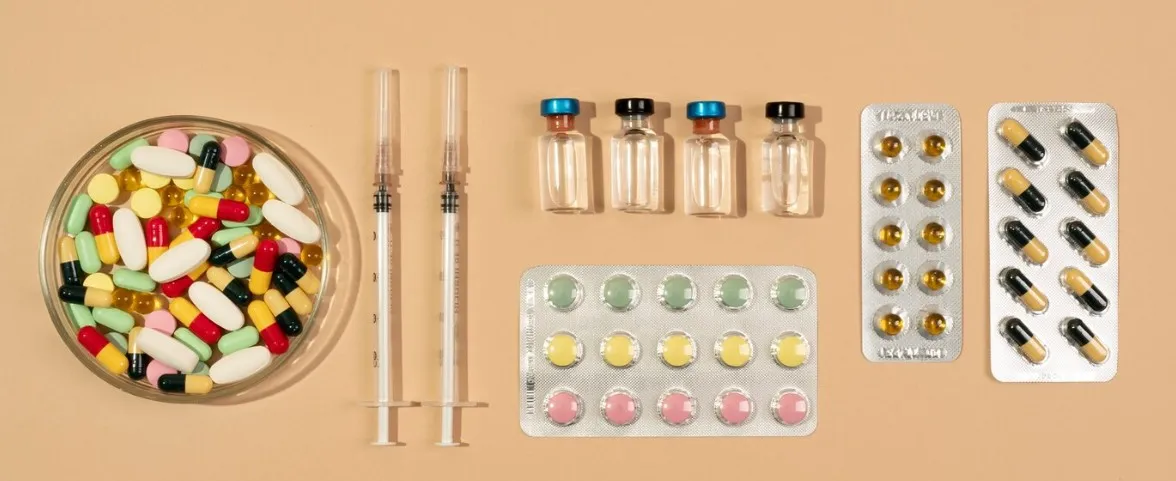
Most people think about medication safety and picture the classic child-resistant pill bottle. Well, yes, that is still important. But medication safety has moved beyond the traditional cap that is difficult for children to open. Today’s pharmacies are leveraging special packaging in new ways to help ensure the right doses, avoid confusion, and make medication routines easier and safer for everyone. In fact, special packaging is now one of the most accessible solutions to preventing medication mistakes before they occur. This is important because medication mistakes are not someone else’s problem. Medication mistakes occur in everyday life. They occur when life is busy, medication labels are difficult to read, pills resemble one another, or a caregiver is juggling several medications.
Why Medicine Packaging Matters More Than Ever
Medication mistakes often happen for very human reasons:
- Pills look similar
- Labels are confusing
- Dosing schedules are complicated
- People are tired, rushed, distracted, or managing multiple conditions
That is why medicine packaging is no longer just a container. It is a frontline safety tool. The right packaging can help patients know what to take, when to take it, and whether they already did. It can also help caregivers and healthcare teams reduce guesswork and catch problems earlier.
Common Medication Risks That Packaging Helps Prevent
A lot of medication errors come down to routine breakdowns. Packaging can help prevent problems like:
- Taking the wrong dose at the wrong time
- Mixing up similar-looking special medicines
- Missing doses or accidentally taking a dose twice
- Travel-related confusion, spills, or poor storage
- Mistakes involving multiple prescriptions medications
These risks are especially common for older adults, caregivers, and anyone managing several medications at once. When the system is confusing, mistakes become more likely. Better packaging makes the system easier to follow.
Types of Special Packaging Used by Pharmacies
Not all packaging solves the same problem. Different formats are designed to reduce different kinds of risk.
Common types include:
- Blister packs: doses are separated clearly by day or time
- Unit-dose packaging: each dose is individually packaged for accuracy
- Color-coded containers: help patients quickly tell medications apart
- Shape-differentiated containers: useful for easier identification
- Child-resistant packaging: adds a layer of household safety
- Travel-friendly packs: keep medications secure and organized on the go
Each type of special packaging supports safety in a different way, depending on the patient’s needs and routine.
How Special Packaging Prevents Wrong Dosages
Wrong doses happen more easily than people think. A patient forgets whether they already took their morning meds. A caregiver assumes a dose was given. A liquid medication gets measured incorrectly.
This is where packaging can make a huge difference.
Blister packs help patients and caregivers see whether a dose has already been taken. Unit-dose packaging reduces guesswork because each dose is separated and labeled. Pre-measured tools for liquid medications can also help prevent accidental overdosing.
For people managing daily prescriptions medications, that kind of clarity is not just helpful, it is protective.
How Medicine Packaging Reduces Mix-Ups
Medication mix-ups are a real risk, especially when pills look similar or when someone is taking several medications at once.
Good medicine packaging reduces that risk through:
- Clear labels
- Color coding
- Distinct container shapes
- Visual and tactile cues
These details matter more than people realize. For someone with low vision, memory challenges, or limited focus, packaging that is easier to identify can prevent a serious mistake. This becomes especially important when patients are managing multiple special medicines with different instructions and schedules.
How Special Packaging Improves Medication Adherence
Medication adherence sounds clinical, but it really just means taking medications as directed, consistently.
That is harder than it sounds when routines are complicated. Organized packaging makes it easier because it reduces decision fatigue. Instead of sorting through bottles and trying to remember what is next, patients can follow a simple, visible system.
Some packaging options also include smart features like:
- Reminder-based organization
- Timed labeling
- Tracking support
Adherence to medication can result in a more consistent outcome, especially if the patient is suffering from a chronic condition. Consistency is important every day, not just during an episode of the condition.
Why Special Packaging Matters to Vulnerable Groups
There are some patients who are much more likely to make medication errors than others, and packaging is very important to these patients.
Older Adults: Older patients may have decreased vision, memory changes, and decreased hand strength, making traditional containers difficult to use.
Children in the home: Child-resistant options are still essential when medications are stored where kids may be present.
Caregivers: When one person is managing medications for someone else, clear packaging makes handoffs and dose tracking much safer.
Travelers: Being away from home can throw off routines fast. Organized, secure packaging helps reduce confusion and missed doses while traveling.
In all of these situations, packaging supports more than convenience. It supports safer care.
The Role of Travel Medication Packaging in Safety
Travel can disrupt even the best medication routine. Bottles get tossed into bags, labels get harder to track, and time zone changes can make timing confusing.
Travel-friendly packaging helps by:
- Keeping doses compact and organized
- Reducing spills and loose pills
- Making it easier to pack only what is needed
- Supporting consistency away from home
For those taking regular medication, travel-ready medicine packaging could be the difference between staying on track and going completely off schedule.
The Bigger Impact: Saving Lives with Better Packaging
Medication mistakes are not just a nuisance. They can sometimes even cause real damage. Confusion in labels, organization, and dosing systems can all cause problems.
This is why packaging is so important. It is not just about making medication look neat and organized. It is about preventing mistakes from happening in the first place.
Pharmacies offering advanced packaging are not just offering an added bonus. They are helping improve the quality of care for their patients.

FAQ About Special Packaging
1. Is special packaging just for seniors?
No. It can help seniors, caregivers, busy people, travelers, and anyone taking several drugs.
2. Can medicine packaging really help prevent medication errors?
Yes. It can help clarify labels, keep doses separate, and make drugs easier to identify.
3. Is special packaging available for all medicine?
Not always. Some drugs must stay in their original packaging for safety, storage, or regulatory reasons. A pharmacist can help you figure out what works best for each drug.
Final Thoughts
Medication safety is about much more than a childproof cap. Today, better packaging is not just about preventing wrong doses, reducing mix-ups, improving patient compliance, and protecting those most susceptible to medication errors. If done correctly, special packaging is not just a package. It is a simple and practical solution that facilitates good habits and, in some instances, saves lives—especially when supported by trusted providers like Baygreen Pharmacy.