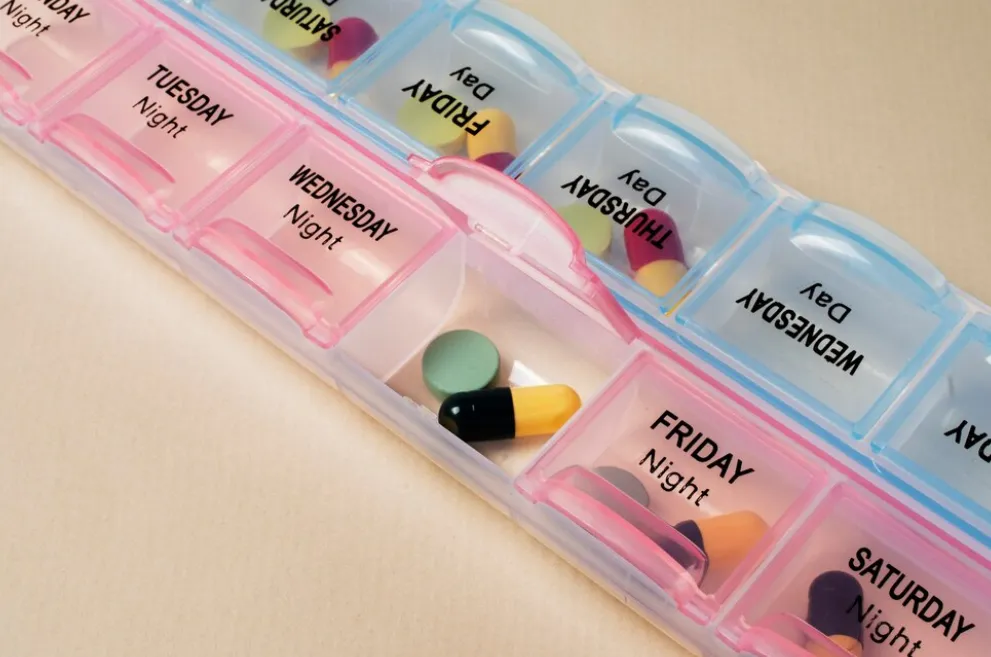
People generally pay little attention to packaging… until their daily life is disrupted by it, such as a dose missed because of confusion, a double dose that causes anxiety, difficulty opening the container, or a poorly written label. This is when patient-oriented packaging comes into play. It is not simply an addition but a concept designed based on the lives of patients and considering their realities in making drug administration easier and safer.
In essence, the purpose is simple: improved safety, convenience, and positive outcomes through packaging that aligns with patients’ realities. This is why a growing number of patients now look for pharmacies that provide medication in the form of bubble packing because when the schedule gets difficult to maintain, precision becomes essential. And a pharmacy providing adherence packaging is likely to be a milestone toward feeling assured about the process.
What Is Patient-Centric Medication Packaging (And Why It Improves Adherence)
Patient-centered packaging refers to packaging methods which aid users in comprehending, opening, carrying, and taking medications properly. This method caters to the patient’s daily activities rather than just storage.
As opposed to conventional packaging in regular bottles, patient-centered packaging contains clearer instructions, better dosage management, and lower chances of medication errors. When it comes to patients’ comprehension and understanding of medications, patient-centered packaging becomes more convenient and promotes medication adherence packaging.
How Medication Adherence Packaging Enhances Patient Safety

The importance of packaging for safety is often underestimated. There are chances of committing minor errors in a domestic environment, particularly if there are many different medications prescribed and one is trying to rush through their tasks.
Key characteristics could be:
- Childproof caps minimizing the risk of accidental intake
- Tamper-proof seals ensuring the quality of medications
- Proper labeling and individual dosing minimizing the chances of taking the wrong dose or the wrong medication
In the presence of these protective measures, medication packaging becomes an effective addition to adherence strategies.
How Medication Packaging Improves Accessibility for Seniors and Patients with Limited Dexterity
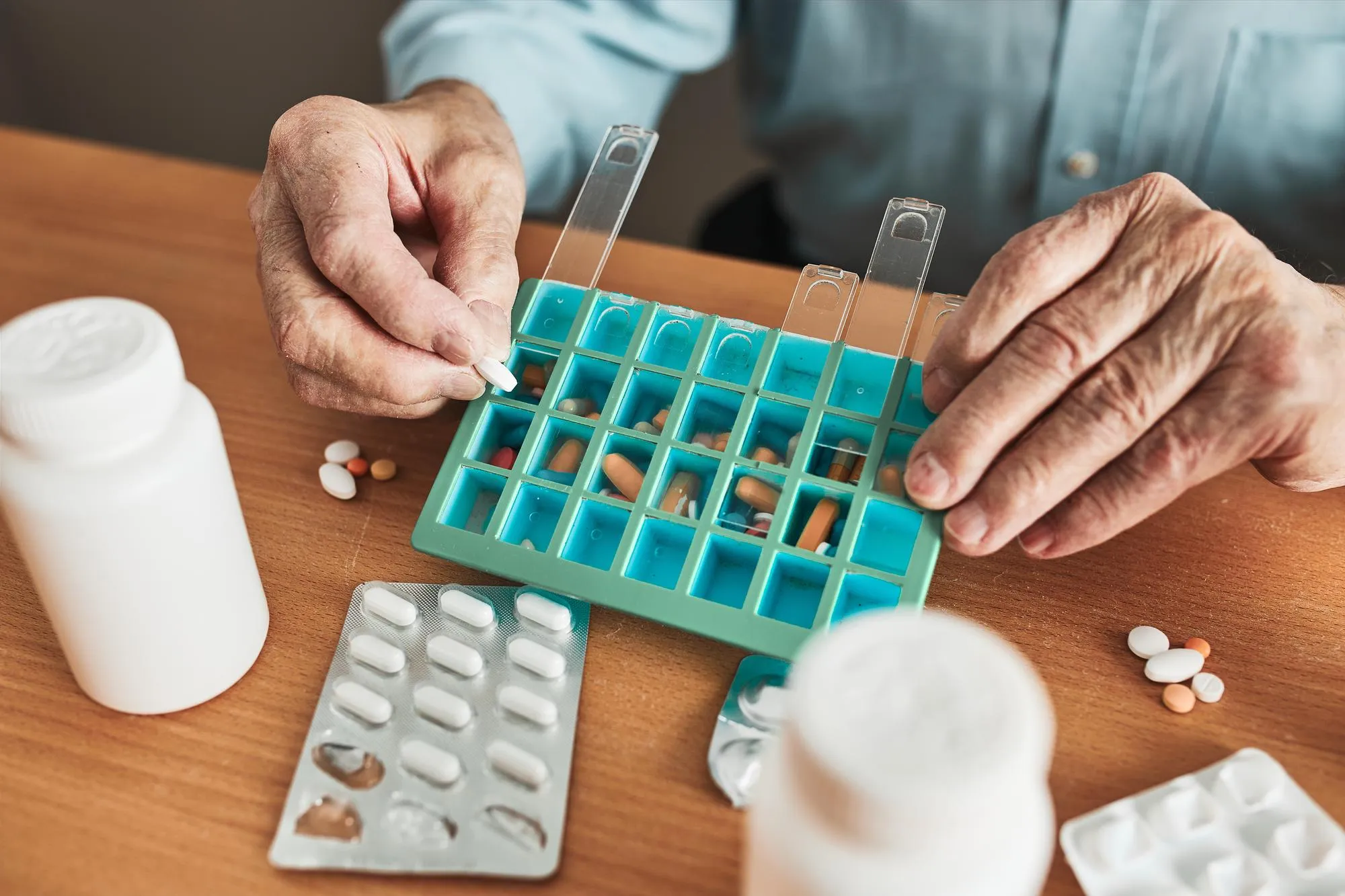
For seniors and people with arthritis, neuropathy, or reduced hand strength, opening a bottle can be frustrating, and sometimes painful. And if the packaging is hard to manage, adherence often suffers even when the patient is motivated.
Accessibility-friendly packaging can include:
- Easy-to-grip caps and easier-open designs
- Larger fonts and high-contrast labels for visual impairments
- Organized compartments that reduce handling and sorting errors
This is where thoughtful medication packaging supports independence and reduces daily stress for both patients and caregivers.
How Pharmacies That Bubble Pack Medications Reduce Missed Doses and Double Dosing
The medicine packs are separated into daily and hourly doses, thus making it evident how much medicine needs to be taken and at what times. In addition, it becomes clear if the dose of the medicine has been taken or not, which reduces the chances of skipping medicines and taking them twice.
This feature proves useful especially when the patient is consuming several medications or when a caregiver is assisting him. Moreover, pharmacists who sell bubble-packed medicines often use medication adherence packaging systems, ensuring that the refills will stay consistent throughout the months.
Why Bubble Pack Medication Is More Convenient for Busy Lifestyles and Travel
It is not only about convenience, but also about minimizing inconvenience. The easier it is to follow the regimen of taking medication, the more likely people are to continue taking it.
Bubble packs are great for:
- Ease of packing (fit into a pocket, briefcase, or suitcase)
- Minimizing spills or mixing up several containers
- Easier to follow when routines change (weekends, trips, long workdays)
For many people, bubble pack medication turns “I hope I remember” into “I can see exactly what I need.”
How Patient-Centric Medication Packaging Provides Accurate Information At the Point of Use
One underrated benefit of better packaging is clarity at the exact moment the patient is taking the medication. Instead of guessing or trying to remember what the doctor said weeks ago, the packaging can reinforce key instructions.
Depending on the pharmacy and packaging type, it may include:
- Medication name and purpose (as directed)
- Dosage instructions and timing
- Storage guidance
- Important caution notes or side effects (as directed)
When instructions are clear at the point of use, medication packaging helps reduce confusion and supports safer decisions at home.
Personalized Medication Adherence Packaging Based on Patient Needs
No two medication routines are the same. Some patients take one daily medication, while others manage multiple prescriptions with different timing, food requirements, or dose changes.
Personalized options may include:
- Customized dosing schedules for complex regimens
- Packaging that supports caregiver involvement (with proper permissions)
- Labeling formats that match patient language preferences and timing needs
This is where medication adherence packaging becomes truly patient-centric, because it adapts to the person’s life instead of forcing the person to adapt to the packaging.
What to Ask Pharmacies That Bubble Pack Medications Before You Switch
Before switching, it helps to ask a few practical questions so you know what qualifies, how changes are handled, and what support you’ll get if something shifts mid-month.
Ask:
- Which medications qualify for bubble pack medication?
- How do you handle prescription changes mid-cycle?
- Do you coordinate refills so packs stay consistent?
- Is it pickup only, or do you offer delivery and reminders?
A good pharmacy will explain the process clearly and help you decide whether bubble packs fit your routine and medication list.
FAQ
Is Bubble Packaging Only for Seniors
Not at all. Bubble packs can help anyone with a busy schedule, multiple medications, frequent travel, or a caregiver-supported routine.
Do All Prescriptions Qualify for Bubble Packs
Not always. Some medications may have special packaging requirements, may be too early to refill, or may change frequently. Ask the pharmacy what qualifies.
What Happens If My Doctor Changes A Medication Mid-Month
Many pharmacies can update the next pack cycle and may provide an interim solution depending on the change. It’s best to ask how mid-cycle changes are handled before switching.
Conclusion: Patient-Centric Packaging Supports Safer Routines And Better Outcomes
To sum up, patient-oriented packaging ensures the safety, availability, convenience, and comprehensibility of the process, resulting in better adherence. In case you have difficulties taking your medicines on schedule or feel confused by the number of bottles you need to manage, do not hesitate to learn more about adherence packaging and bubble pack medications especially with guidance from Baygreen Pharmacy.
Make Your Medication Routine Finally Feel Manageable
If your schedule is complex, packaging that organizes doses by day and time can reduce confusion and improve consistency.