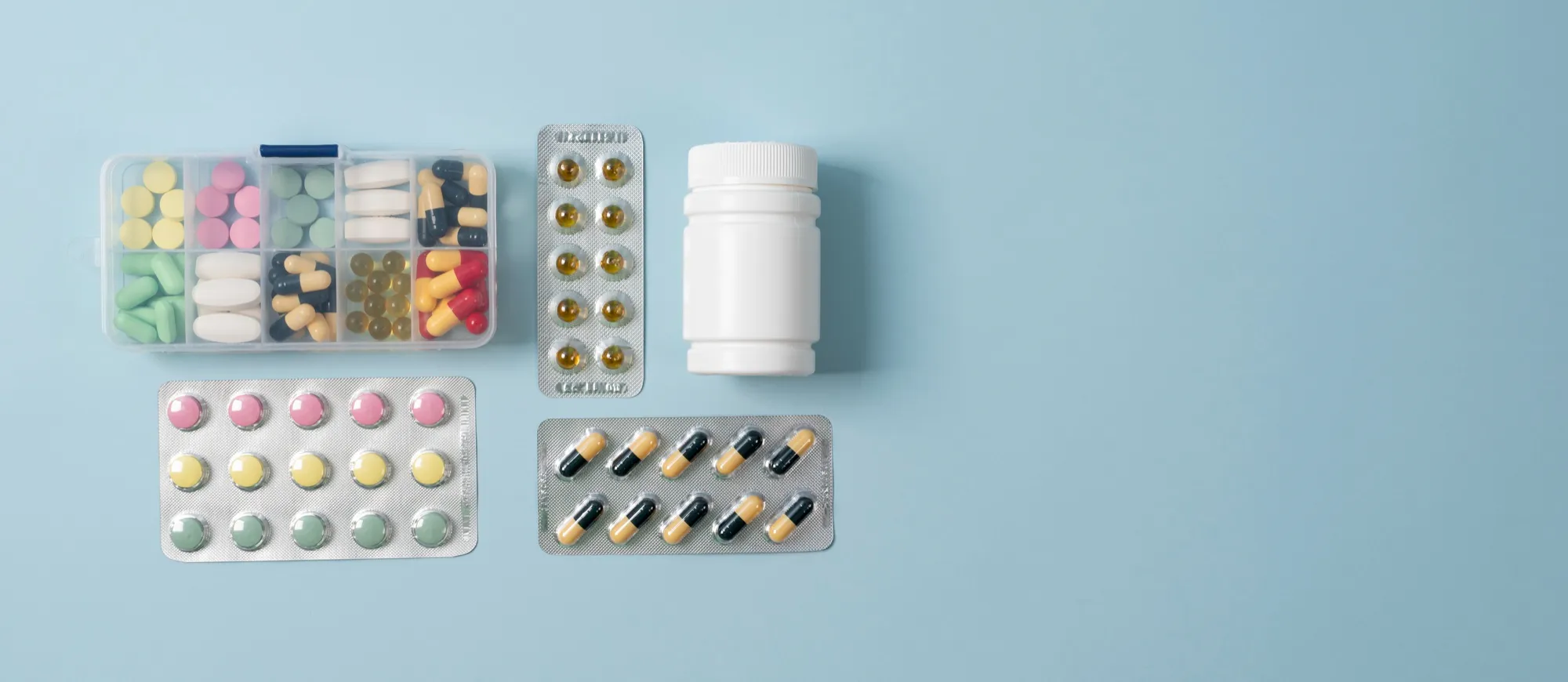
Medication packaging services contribute to medication safety and compliance through proper organization, protection, and labeling of prescriptions. Solutions that include blister packs, pouches, bottles, and dose packs can help manage complicated regimens of medications.
This is not simply a package or a container but an element of medication safety. Proper medication packaging ensures the preservation of quality, minimization of errors, and convenience in taking medications, especially when several prescriptions need to be taken at the same time.
Therefore, it becomes important to appreciate how relevant the issue of Medication packaging services is. With the help of medication packaging services, the whole process of taking medication is made easy to follow since proper packaging makes everything clearly labeled for everyone to know what to take. When one knows the Prescription medication packaging options available, he or she can select one which is convenient for him/her.
In this guide, we’ll break down the most common packaging types you’ll see at U.S. pharmacies and healthcare settings, and who each one helps most.
What is “Medication Packaging”?
Prescription medication packaging refers to how medications are contained, protected, labeled, and organized for safe dispensing and safe use at home.
It has two big goals:
Protect The Medication
- Keep it stable and effective by reducing exposure to moisture, air, light, or contamination.
Protect The Patient
- Provide clear instructions, reduce confusion, and help prevent dosing errors.
In other words, packaging is part of the “safety system,” not an afterthought.
The Main Types of Medication Packaging

Type 1: Blister Packs (Unit-Dose Packaging)
What it is: Individual doses sealed in small pockets, often arranged by day and time (morning, noon, evening, bedtime).
Why it’s used:
- Protects medication from moisture and air
- Makes it easy to see whether a dose was taken
Who benefits most:
- Seniors
- Caregivers supporting a family member
- Patients taking multiple medications
- Anyone who tends to forget doses
Blister packs are popular because they reduce “Did I take it already?” moments.
Type 2: Strip Packaging (Dose-By-Dose Sealed Strips)
What it is: Medications sealed in a continuous strip, usually labeled by date and time.
Why it’s used:
- Efficient for routine dosing schedules
- Clear tracking for adherence
Who benefits most:
- Long-term therapy patients
- People who travel or need portable dosing
- Anyone who wants a clean, tear-off dose format
This is often a great option for people who want something easy to carry without bringing multiple bottles.
Type 3: Bottles (Traditional Pill Bottles)
What it is: Standard pharmacy vials for tablets and capsules.
Why it’s used:
- Cost-effective and widely available
- Works fine for many medications
Where it can fall short:
- Less helpful for complex schedules
- Easier to mix up similar-looking bottles
Who benefits most:
- Simple regimens (1–2 meds)
- Short-term prescriptions (like a brief course of medication)
Bottles aren’t “bad,” they’re just not always the best fit when routines get complicated.
Type 4: Sachets/Pouches (Multi-Med Dose Packs)
What it is: Pre-sorted pouches that contain all meds for a specific dose time (for example, “Monday AM” or “Thursday PM”).
Why it’s used:
- Simplifies multi-med routines
- Reduces missed doses and double-dosing
Who benefits most:
- Patients on 3+ medications
- Caregivers
- Post-hospital discharge patients (when med changes are common)
If your routine involves multiple pills at multiple times, pouches can be one of the easiest “set it and follow it” options.
Type 5: Ampoules and Vials (Sterile Packaging For Injectables)
What it is: Sealed glass or plastic containers used for injectable medications.
Why it’s used:
- Maintains sterility
- Supports precise dosing
Who benefits most:
- Clinical settings
- Specialty therapies
- Vaccines and other injectables
This type of packaging is more about sterility and clinical safety than daily organization.
Type 6: Pre-Filled Syringes / Auto-Injectors
What it is: Ready-to-use injection devices designed for accurate dosing and easier self-administration.
Why it’s used:
- Convenience and dosing accuracy
- Safer handling, fewer steps
Who benefits most:
- Patients who self-inject for certain chronic therapies
- People who need a consistent, easy-to-use device
These can reduce user error because there’s less measuring and fewer steps.
Type 7: Tubes (Topical Medications)
What it is: Packaging for creams, ointments, and gels.
Why it’s used:
- Controlled dispensing
- Helps reduce contamination compared to open containers
Who benefits most:
- Dermatology patients
- Wound care patients
- People using topical pain relief products
Type 8: Dropper Bottles/Spray Bottles (Liquids)
What it is: Packaging for eye drops, nasal sprays, oral drops, and other liquids.
Why it’s used:
- More accurate administration
- Better hygiene when used properly
Who benefits most:
- Pediatrics (liquid dosing is common)
- Eye/ENT patients
- Anyone using liquid medications
Who Can Benefit Most From Prescription Medication Packaging Services?
While anyone can benefit from better organization, packaging support is especially helpful for:
- Seniors managing multiple prescriptions
- Caregivers (family members, home health aides)
- Patients with chronic conditions and complex schedules
- People with memory challenges or busy routines
- Post-hospital discharge patients (medication changes happen fast)
- Patients who want fewer pharmacy trips (especially when paired with refill synchronization)
For those who find themselves confused about which medication to take, when to take it, and even if they have already taken it, packaging support can be a tremendous help.
For anyone considering using Baygreen Pharmacy services, try finding out if they use any packaging methods and how they work with synchronization of refills and reminders.
How Do You Choose the Right Packaging Option?
A simple way to choose is to match packaging to your routine and risk level.
Ask yourself:
- How many medications do you take daily?
- Do you ever miss doses or refill late?
- Do you need child-resistant packaging?
- Do you travel frequently?
- Would large-print labels or easy-open options help?
A quick match guide:
- Simple routine (1–2 meds): bottles may be enough
- Complex routine (multiple meds, multiple times/day): blister packs or pouches
- Injectables: vials, pre-filled syringes, or auto-injectors
- Topicals/liquids: tubes, droppers, sprays (focus on correct use and hygiene)
The “best” option is the one that reduces your personal risk of mix-ups and makes consistency easier.

Conclusion: The Best Packaging Is The One That Helps You Take Meds Safely
Medication packaging is not only for the medication but for the user of the medication as well. Whether you need just a regular bottle or an organized dose pack system, everything has the same aim: safe use, reducing risks of errors and maintaining a workable routine.
To know more, ask your pharmacist about Medication packaging services and what kind of Prescription medication packaging suits you.
FAQ
Are Blister Packs Safer Than Bottles?
They can be, especially for people on multiple medications or anyone who forgets doses. Blister packs make it easier to confirm whether a dose was taken and reduce mix-ups.
Can Packaging Help With Medication Adherence?
Yes. Organized packaging (like blister packs or pouches) can reduce missed doses and double-dosing by making the schedule visible and simple.
Can I Request Special Packaging From My Pharmacy?
Often, yes. Ask your pharmacy what packaging formats they offer, and whether they can provide large-print labels, easy-open options, or multi-dose packaging based on your needs.
Still Staring at Bottles Wondering “Did I Take This?”
Ask about Medication packaging services to get doses organized by day and time, so your routine feels clear, not confusing.