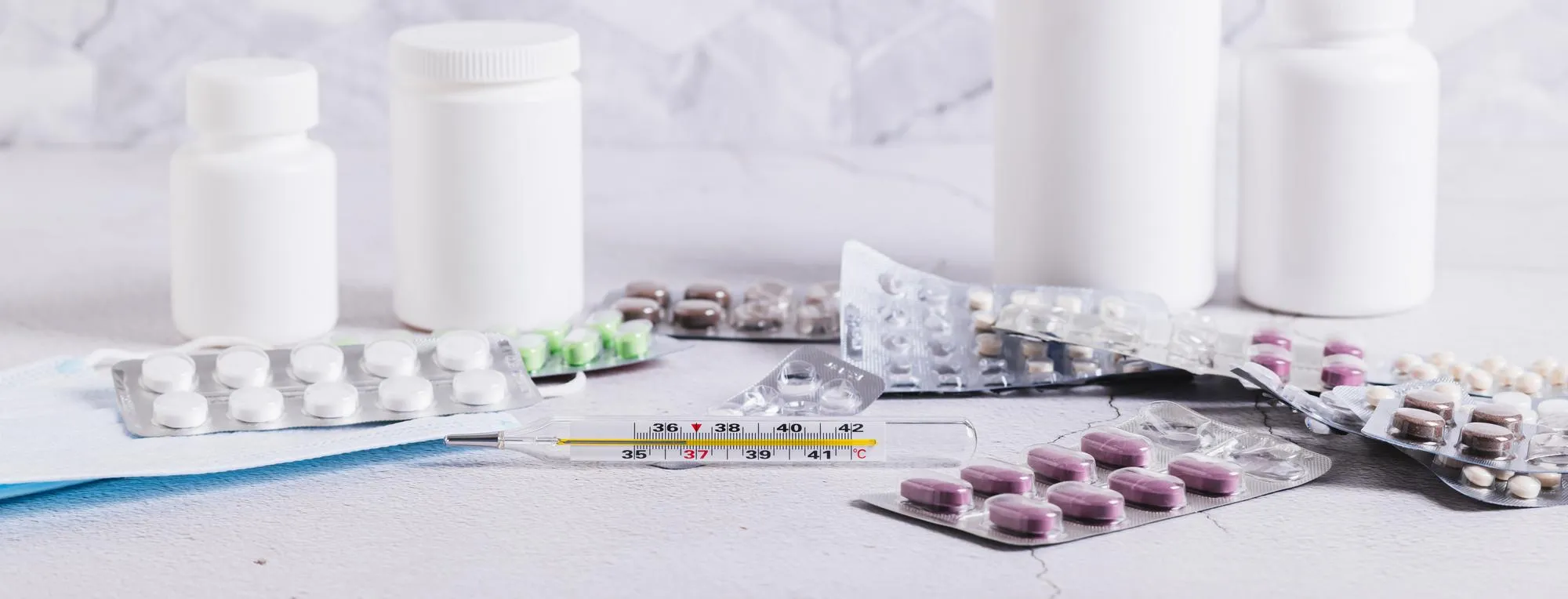
Medication Packaging Services enhance the safety, stability, and effectiveness of drugs by providing appropriate packaging methods like blister packs, bottles, sachets, ampoules, and vials that aid pharmacies in the protection of drugs and patients’ proper consumption.
Packaging is one aspect of drug safety rather than only presentation. The packaging of drugs influences their level of protection, storage and transportation process, and ease of taking by the patient when at home. It means that packaging is an integral part of the drug’s effectiveness system as well as a prevention from mistakes made by patients.
Various drugs require different types of packaging because of various factors such as stability, dosage, and patient convenience. Moisture sensitive tablet might require additional protection compared to ordinary capsule. Drugs which should be taken several times a day will require another kind of packaging.
That’s where Medication Packaging Services come in. Medication Packaging Services can ensure greater safety and consistency within both pharmacy operations and patients by making organization easier, providing clear labeling, and creating packaging systems that are relevant to the real-world situation. And in exploring Medication Packaging solutions, you aren’t just looking for an appropriate package; you’re finding a safer means of storing, dispensing, and taking your medication.
This guide will look at the most common forms of packaging and their uses, as well as the use of Prescription medication packaging.
What Is Pharmaceutical Packaging?
Pharmaceutical packaging is the materials and formats used to store and protect medications and provide clear dosing instructions.
It has two main goals:
Medication Protection
From exposure to moisture, air, light, contamination, and physical injury.
Patient Protection
By means of proper labeling, dosing instructions, and safe handling.
This is where Prescription medication packaging becomes more than “a bottle with a label.” It’s a safety tool that helps reduce mix-ups, supports adherence, and keeps medications stable until they’re used.
Different Types of Pharmaceutical Packaging
Type 1: Blister Packs (Unit-Dose Protection + Easy Tracking)
What they are:
Tablets or capsules sealed into individual “bubbles” with a backing layer.
Why they’re used:
- Protects from moisture, air, and light
- Makes doses easier to track (which supports adherence)
- Helps reduce “Did I take it already?” confusion
Best for:
- Daily medications
- Multi-med routines
- Patients who need more organization and visibility
Blister packs are also a common option offered through pharmacy-based Medication Packaging Solutions, especially when the goal is to reduce missed doses and double-dosing.
Type 2: Bottles (Common for Tablets, Capsules, and Liquids)
What they are:
They are plastic or glass containers with lids that are usually childproof.
Plastic vs glass
- Plastic is lightweight, non-breakable, inexpensive (used mostly for over-the-counter items and many prescriptions).
- Glass is less porous and will not interact with certain drugs (used sometimes for liquids), but is heavier and breakable.
Best for:
- Standard prescriptions
- OTC products
- Liquids (depending on formulation)
Bottles are the most common format because they’re flexible and affordable, but they can be less helpful for complex schedules where organization matters.
Type 3: Ampoules (Single-Use Glass for Sensitive Medications)
What they are:
Sealed glass containers designed to be snapped open.
Why they’re used:
- Prevents contamination
- Protects medications sensitive to air or light
- Supports quick, precise dosing in clinical settings
Best for:
- Concentrated or fast-administered medications
- Hospital or clinic environments
Ampoules are typically single-use to maintain sterility and reduce contamination risk.
Type 4: Sachets (Single-Dose Packets for Convenience)
What they are:
Small sealed packets (paper/plastic) with printed instructions.
Why they’re used:
- Lightweight and portable
- Convenient for one-time or measured dosing
- Often easy to open and carry
Best for:
- Vitamins and supplements
- Powders
- Single-dose medications
Sachets are popular because they’re simple and travel-friendly, but they’re not limited to supplements, they’re used anywhere single-dose convenience makes sense.
Type 5: Vials (Sterile Containers for Injectables)
What they are:
Small glass or plastic containers sealed with a rubber stopper and cap.
Why they’re used:
- Sterile and airtight
- Transport-friendly
- Can store liquids or powders (depending on the medication)
Best for:
- Hospitals and clinics
- Vaccines
- Injectable medications
Vials are designed to support safe, sterile handling, which is critical for injectables.
Why Packaging Choice Matters (Patient + Pharmacy Benefits)
Packaging choice affects both safety and practicality. The right packaging can support:
- Better medication stability and shelf life
- Reduced contamination risk
- Clearer dosing instructions
- Improved adherence (especially with unit-dose formats like blister packs)
- Safer storage (including child-resistant options)
Packaging is also an important factor for pharmacies because it ensures that the dispensing process will be safe and reduces chances of labeling mistakes.
If you need some help with packaging through Baygreen Pharmacy, then you should find out which packaging services they have and whether they offer the combination of packaging along with refills.
Who Benefits Most From Medication Packaging Services?
While anyone can benefit from clearer packaging, these groups often benefit the most:
- Patients taking multiple prescriptions
- Seniors and caregivers
- Patients with memory challenges or complex schedules
- Clinics and hospitals handling injectables
- Pharmacies that want safer dispensing workflows
Choosing the right Medication Packaging Solutions can reduce errors, improve consistency, and make medication routines feel less stressful.
Conclusion: The Best Packaging Protects the Medication and the Patient
It is not only an issue of design, but also an important part related to the safety of the pharmaceutical product.
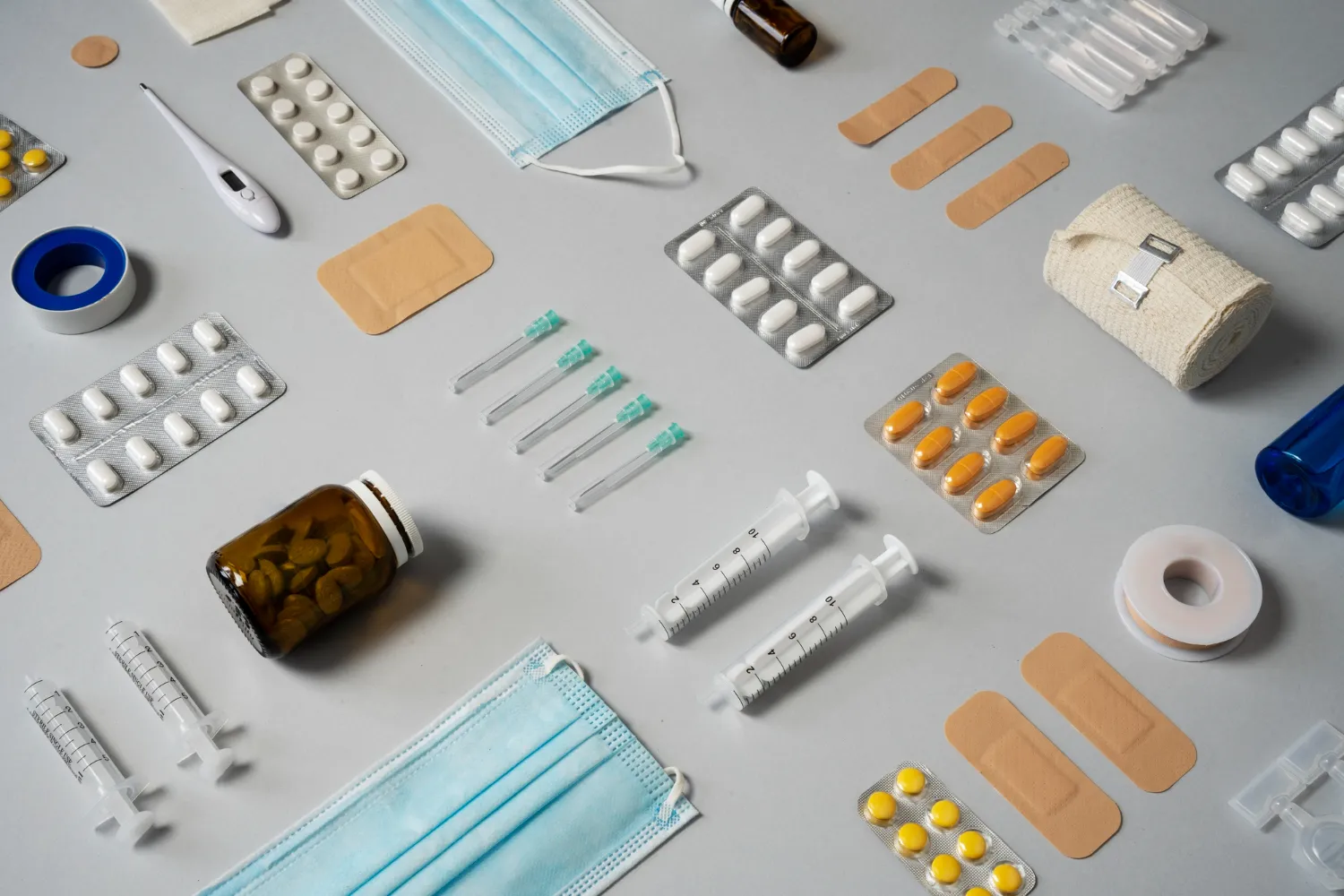
Blister packs facilitate control and moisture proofing. Bottles are traditional and versatile. Ampoules and vials assist in sterile injections. Sachets provide portability and convenience of individual dosing. All forms have a purpose.
If you need a more safe and convenient regimen, contact your pharmacy about the Medication Packaging Services, Medication Packaging Solutions, and Prescription medication packaging.
FAQ
1) What’s the Difference Between Blister Packs and Bottles?
Blister packs seal doses individually and make it easier to track whether a dose was taken. Bottles are flexible and common but can be harder to manage for complex schedules.
2) Are Sachets Only Used for Supplements?
No. Sachets are often used for supplements, but they can also be used for single-dose medications or powders where portability and measured dosing matter.
3) Can Pharmacies Provide Customized Prescription Packaging?
Many pharmacies can offer customized Prescription medication packaging, such as blister packs or dose packaging by day/time. Availability varies, so it’s best to ask what formats and services they provide.
Not Sure Which Packaging Format Fits Your Routine?
Ask about Medication Packaging Services to match your medication type and schedule with a safer, clearer packaging option.